
NARI Commercial Vehicle Leasing Member Benefit
NARI members can access commercial vehicle sourcing, financing, leasing, wraps, upfits, delivery and exclusive credits through Apple Commercial Leasing with this new exclusive member benefit.

3 Smart Design Applications
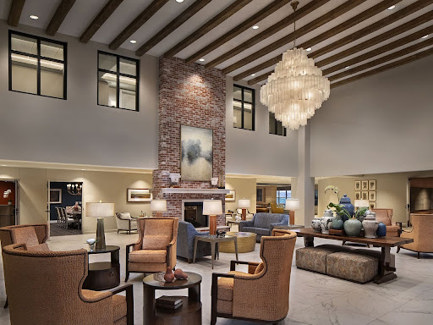
In commercial design, materials must balance aesthetics, durability, and efficiency. Faux wood beams have emerged as a smart architectural solution—delivering the warmth and character of real wood while meeting the demands of commercial environments. Lightweight, customizable, and easy to install, faux beams help designers and contractors elevate spaces without structural complications. Here are three impactful ways faux wood beams are being used in commercial projects today.
2. Bring a Residential Feel to Hotel Lobbies
Hospitality design increasingly blurs the line between commercial and residential. In hotel lobbies, faux wood beams help establish a welcoming, home-like atmosphere that immediately puts guests at ease. Whether used to accent vaulted ceilings or define seating areas, beams add depth and architectural character, without the weight or maintenance concerns of real wood. Designers can customize finishes to match brand aesthetics, from rustic to refined.
3. Break Up Large, Open Commercial Spaces
Open-concept layouts are common in retail, corporate, and hospitality settings—but without architectural definition, they can feel empty. Faux wood beams offer a visual way to divide space, guide movement, and define zones without adding walls.
Used in grids, truss-inspired layouts, or linear runs, beams help scale large interiors appropriately while maintaining openness. This approach enhances both wayfinding and overall design cohesion.
Faux wood beams provide commercial designers and contractors with a versatile tool that combines visual impact, efficiency, and design flexibility. From offices to hospitality spaces, they help create environments that feel intentional, inviting, and elevated.
Explore faux wood beam solutions and custom options at Barron Designs to support your next commercial project.
NARI members can access commercial vehicle sourcing, financing, leasing, wraps, upfits, delivery and exclusive credits through Apple Commercial Leasing with this new exclusive member benefit.

Rental clients do not want a custom kitchen. They want a spec they can repeat on every turn. See how the four ways to refresh a rental kitchen compare in terms of crew time, sourcing, and callback risk, plus where your margin really goes and when to walk away from a refacing bid.

On the 25th anniversary of 9/11, National Association of the Remodeling Industry members from Long Island and New Jersey reflect on the rescue and recovery mission following the terrorist attacks on the World Trade Center.