By Barron Designs
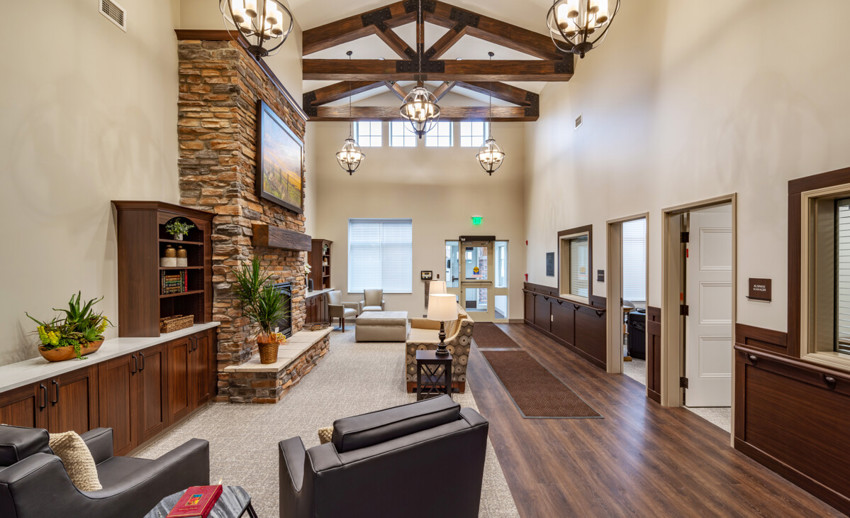
Commercial remodeling projects require solutions that balance aesthetics, performance, installation efficiency, and budget. Whether renovating a restaurant, hotel, office, retail space, clubhouse, or multifamily amenity area, every design decision contributes to the overall customer experience and the property's long-term value.
One architectural element that stands the test of time is the exposed wood beam. Barron Designs decorative wood beams introduce warmth, texture, and visual interest while helping transform ordinary ceilings into defining design features. While traditional timber beams offer undeniable character, they can also present challenges related to weight, structural support, labor, and installation.
High-density polyurethane faux wood beams have become a practical alternative, providing the authentic appearance of real wood while offering greater flexibility for commercial remodeling projects. Here are five ways faux wood beams can help contractors, remodelers, architects, and designers solve common commercial design challenges.
1. Create Architectural Impact Without Heavy Structural Modifications
Ceilings are often an underutilized design opportunity in commercial spaces. Adding Barron Designs’ exposed beams can completely change the feel of a lobby, dining room, office, or retail environment by introducing depth and architectural character.
Traditional solid timber beams, however, may require additional structural engineering or reinforcement due to their weight.
Lightweight faux wood beams offer a simpler alternative. Manufactured from high-density polyurethane, they provide the appearance of authentic wood while remaining significantly lighter than solid timber. Their hollow construction allows them to be installed over existing framing in many applications, making them well suited for commercial renovations, tenant improvements, and retrofit projects where minimizing structural changes is a priority.
2. Conceal Building Systems While Enhancing the Design
Commercial remodels frequently expose existing building systems that are difficult or costly to relocate. HVAC ductwork, sprinkler piping, electrical wiring, plumbing, and structural steel often become design obstacles during renovation.
Rather than lowering the entire ceiling or building bulky soffits, designers can incorporate decorative faux wood beams to conceal these elements while creating intentional architectural features.
The hollow interior of faux beams provides space to cover utilities, allowing contractors to solve functional challenges while maintaining the open, inviting ceiling designs many commercial spaces demand.
3. Define Functional Spaces Within Open Floor Plans
Open floor plans remain popular across hospitality, office, retail, and mixed-use environments because they encourage flexibility and improve traffic flow. At the same time, large open areas can sometimes lack visual organization.
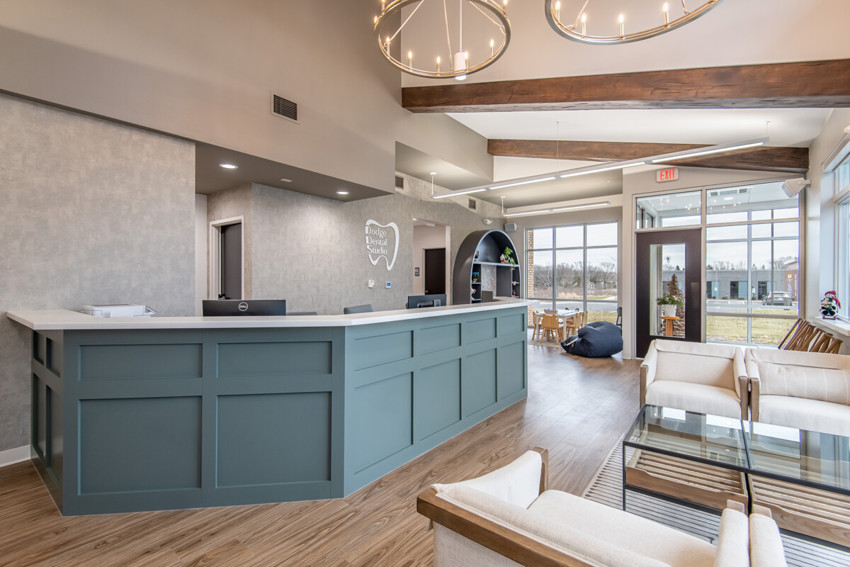
Decorative ceiling beams provide a subtle way to establish distinct zones without adding walls or partitions.
For example, beams can visually separate dining areas within restaurants, frame reception spaces in office environments, distinguish collaborative work areas, or highlight lounge spaces in hotels and clubhouses. In retail settings, ceiling beams can also help direct customer attention while reinforcing the overall architectural design.
Because they preserve open sightlines, decorative beams provide functional organization and visual warmth without reducing the space's openness.
4. Achieve Custom Wood Looks with Greater Design Flexibility
Commercial projects often require architectural materials that complement a wide variety of design styles, from rustic and industrial to transitional and contemporary.
Today's faux wood beams are available in numerous wood textures, stain colors, sizes, and configurations, allowing designers to create customized ceiling designs that align with each project's vision. Barron Designs offers handcrafted faux wood beams in multiple textures, factory-finished and unfinished options, custom sizing, and both three-sided and four-sided beam configurations to accommodate a wide range of commercial applications.
This flexibility allows architects and designers to coordinate decorative beams with other architectural elements while maintaining design consistency throughout a project.
5. Simplify Installation While Supporting Project Timelines
Keeping commercial remodeling projects on schedule requires products that are efficient to install without compromising quality or appearance.
Because faux wood beams are lighter than traditional timber, installation is often less complex. Many beam styles can be installed with a small crew, reducing handling challenges while eliminating the need to maneuver heavy solid wood beams into place.
Their hollow construction also simplifies installation around existing framing and mechanical systems, making them an attractive option for occupied renovations, tenant improvements, and projects with compressed construction schedules.
For contractors managing multiple trades on active job sites, selecting architectural products that simplify installation can help improve coordination while delivering the premium look clients expect.
Bringing Warmth and Character to Commercial Spaces
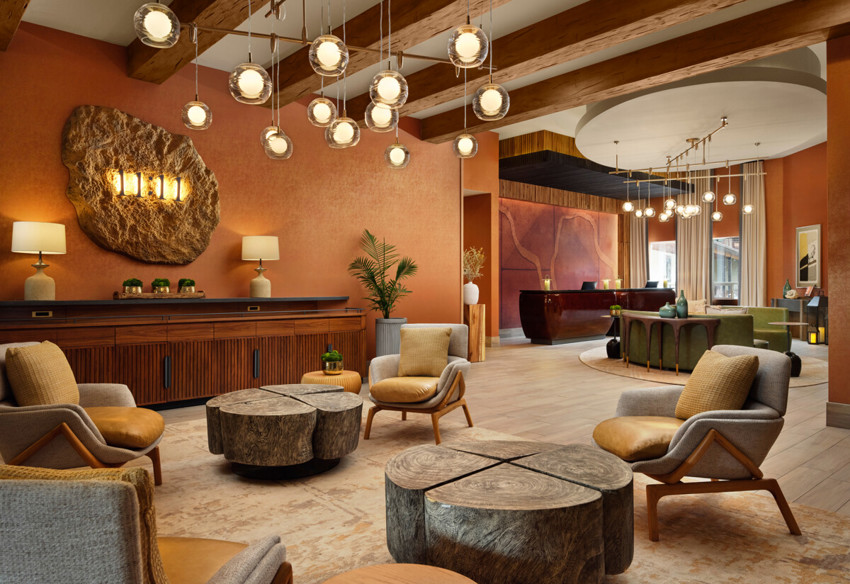
Architectural ceilings continue to play an increasingly important role in commercial remodeling. Decorative beams not only enhance aesthetics but can also solve practical challenges by concealing utilities, defining functional spaces, and simplifying installation.
High-quality faux wood beams let contractors, architects, and designers achieve the timeless look of exposed timber while offering greater flexibility for renovation projects. Whether enhancing a hospitality environment, office, retail space, restaurant, or multifamily development, decorative beams remain a versatile architectural solution that combines beauty, performance, and installation efficiency.
Thoughtfully selected ceiling details from Barron Designs can transform the experience of a space, helping commercial remodelers deliver projects that are as functional as they are memorable.