By Qwikkit
Aging homes are everywhere in the U.S., and outdated kitchens are one of the first things buyers, renters, and homeowners look to update. Millions of properties are sitting with worn, dated cabinets that drag down the entire feel of a space. For remodeling contractors, that is a direct opportunity to offer something most homeowners do not know exists: a fast, affordable way to revitalize a kitchen through cabinet refacing without the cost or disruption of a full renovation.
Why Rental Kitchens Get Left Behind
A full cabinet replacement costs between $15,000 and $30,000 per kitchen, depending on size and materials. For most homeowners, that number is out of reach even when the kitchen desperately needs attention. The result is predictable: dated cabinets get painted over, covered with contact paper, or ignored entirely. The kitchen looks tired, and the home feels older than it is.
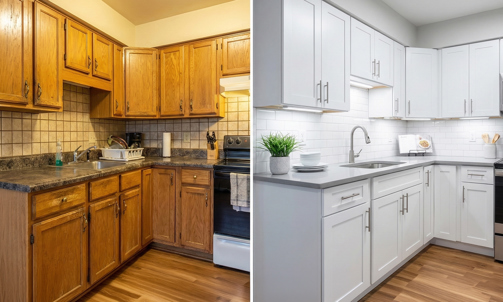
Cabinet refacing changes that math. By replacing only the doors, drawer fronts, and hardware, contractors and remodelers can transform a kitchen's look for up to 70% less than a full replacement. The existing cabinet boxes stay in place, and installation can be completed in a day or two. The result looks like a complete remodel without the $30,000 price tag, and the homeowners who could not justify a full replacement can easily say yes to refacing.
Where Qwikkit Comes In
Qwikkit manufactures complete cabinet refacing kits in Houston, Texas, and ships them to job sites nationwide. Most orders arrive within 3 to 5 business days. Each kit includes:
- Custom-fit doors and drawer fronts
- Soft-close or self-close hinges
- Cabinet and drawer pulls
- Touch-up paint
- Screws, locator jigs, and bumpers
For remodeling professionals, this model reduces project complexity. No coordinating across multiple vendors. No waiting for cabinet shops to turn around custom doors. The kit is designed so even inexperienced installers can start work shortly after delivery.
A Repeating Revenue Stream
The U.S. housing stock is aging. Millions of kitchens are overdue for an update, and most homeowners cannot spend $20,000 or more to get there. Cabinet refacing closes that gap and opens a category of work that many contractors are not currently offering.
Remodeling professionals who add cabinet refacing to their service mix gain a project type that is fast to complete, straightforward to scope, and easy for homeowners to approve. Repeat business follows naturally as clients share pictures and refer neighbors, giving contractors who build a reputation for delivering high-quality refacing at an honest price point a consistent pipeline without competing on full-gut renovations alone.
Qwikkit offers multiple door styles and finishes to match a range of property types, from budget-conscious entry-level to higher-end single-family homes. That flexibility means contractors and remodelers can serve clients across different price points with the same reliable process.
Getting Started
Contractors and remodeling professionals can explore the full Qwikkit product line, door style options, and measurement resources at any time. The support team is available throughout the process from order to installation.
The demand for affordable kitchen updates is not slowing down. Cabinet refacing is the practical answer, and contractors who add it to their service mix are positioned to build consistent, profitable work in one of the most underserved areas of residential remodeling.
Learn more about growing your business with cabinet refacing.