
5 Exterior Home Styles With Vinyl Siding
From cozy coastal vibes to a clean, contemporary aesthetic, these curated portfolios of siding profiles and colors can help create just the right look for your exterior projects.

Movement joints are transition pieces, or profiles, which include flexible chlorinated polyethylene zones through the center that accommodate movement within a tile or natural stone installation.
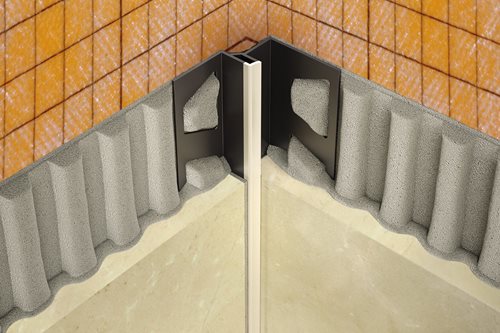
After long days and nights of choosing the proper surface covering along with appropriate colors of transition pieces and grout, your tile or natural stone installation is finally complete. The previously installed wood flooring that initially resided in the room, from the early 20th century, has been removed and is now a distant memory. The newly selected ceramic tile complements the new furniture, fresh coats of paint on the walls, and wall hangings and ties the entire room together beautifully. It is perfect! Fast forward a few months, and some of the tiles around the perimeter of the room are showing hairline fractures and aren’t looking as pristine as they were initially. How is this happening? You begin doing some research but cannot specifically narrow down the answer. Well, here it is – movement joints (or lack thereof).
Movement joints are transition pieces, or profiles, which include flexible chlorinated polyethylene zones through the center that accommodate movement within a tile or natural stone installation. Movement accommodation is necessary in all floor tile or natural stone applications as it prevents tile from cracking due to movement. Although these profiles are necessary in tile or natural stone installations, some tile installers fail to incorporate them into such applications due to lack of knowledge and/or misunderstanding. In areas with drastic climate changes, structures are more prone to expansion and contraction due to the harsh changes in temperature, and movement joints will accommodate this movement to protect the tile or natural stone field. Failure to incorporate the necessary movement joints will result in damage to the surface covering over a period of time. Movement joint profiles are recommended to be installed a minimum of 12 feet and a maximum of 20 feet in any direction based on the size of the tiled surface. Schluter Systems offers a variety of different movement joint profiles to fit the needs of any installation.
See the following video for an example of how to install and where to apply one type of movement joint profile, the Schluter®-DILEX-EKE: How to install a corner movement joint in tile: Schluter®-DILEX-EKE - YouTube(Opens in a new window).
From cozy coastal vibes to a clean, contemporary aesthetic, these curated portfolios of siding profiles and colors can help create just the right look for your exterior projects.

For remodelers and companies in the remodeling industry, outsourcing HR is not just practical; it’s a smart, cost-effective strategy that helps you stay compliant, gain a competitive edge, and focus on driving your business growth.

The U.S. housing stock is aging, creating demand for affordable kitchen updates. Learn how cabinet refacing offers contractors a fast, profitable remodeling opportunity.