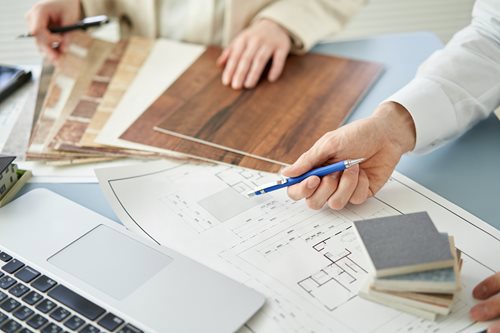
Collaborating with designers can elevate remodeling projects and appeal to clients. For many remodeling businesses, contracting with outside designers is more practical than maintaining an in-house team. Here are four essential tips to ensure a smooth and successful partnership with architectural and interior contract designers.
-
Identify the Type of Designer Your Need
Remodelers typically work with two main types of designers:
-
Architectural Designers: Focus on structural elements and frameworks. They create blueprints and ensure the remodel is feasible from a construction standpoint.
-
Interior Designers: Specialize in interior layouts, color schemes, lighting, and material selection to maximize both aesthetics and functionality.
Understanding which type of designer fits your project needs helps streamline collaboration and set clear expectations from the start.
-
Provide Clear Expectations
Contract designers function as an extension of your remodeling team. Diane Wellhouse, CKBR, CMC, business consultant and leadership coach, emphasizes, “Contract designers are an extension of the team, and they need to be perceived that way by the client.”
She advises firms collaborating with outside designers to have clearly defined terms, such as:
-
Expected involvement in sales and closing processes
-
The designer’s compensation structure (hourly or flat fee, for example)
-
Liability responsibilities
-
Documented processes and procedures
Clarity ensures both the designer and your team can operate efficiently and prevents miscommunication with clients.
-
Prioritize Communication and Collaboration
Effective designers must translate client visions into actionable plans for contractors. Chris Enger, MCR, CR, CKBR, UDCP, CRPM, CCP, president and owner of Chris Enger Design-Build-Remodel, notes, “A good designer always knows he or she is a part of this – not only the sales process, but also the budget and construction processes.”
Wellhouse adds, “The client wants this to be easy. You’re disrupting their world, and they have a lot of choices to make.” By ensuring the designer integrates with the team and communicates clearly, remodelers can provide a seamless, one-stop experience for clients.
-
Establish Robust Documentation Processes
Clear documentation prevents costly mistakes and delays. Enger describes a common scenario: “A salesperson sketches something, but when it is turned over to the designers and construction crew, it isn’t feasible with the existing structures.”
By involving designers early and documenting timelines, deliverables, and milestones, remodelers can:
-
Ensure projects are structurally sound and on budget
-
Avoid misunderstandings between design and construction teams
-
Reduce estimating errors and project delays
Wellhouse adds, “The bigger the project, the higher the price tag, the more opportunities there are for estimating and other types of errors.”
Contract designers can be invaluable partners for remodelers, but success requires clear expectations, strong communications, and thorough documentation. By following these four tips, remodeling businesses can deliver projects that are on time, within budget, and highly satisfying for clients.
NARI’s Certified Remodeling Designer (CRD) program addresses the key concepts that experienced designers must master to develop functional and buildable remodeling designs for more profitable projects and satisfied clients. Find out more about NARI’s CRD program at NARI.org/CRD.