
5 Exterior Home Styles With Vinyl Siding
From cozy coastal vibes to a clean, contemporary aesthetic, these curated portfolios of siding profiles and colors can help create just the right look for your exterior projects.

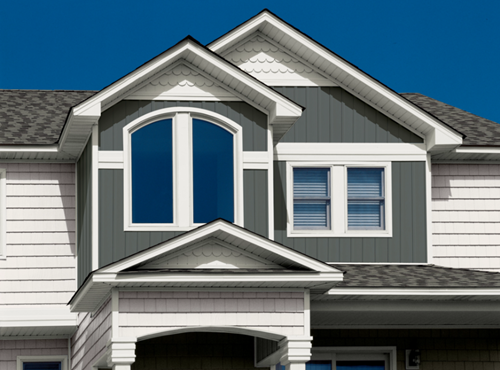
By Industry Partner Alside
In the world of exterior design, few elements boast the enduring charm and timelessness of board and batten siding. From rustic farm buildings to sleek modern homes, this classic siding style has transcended generations, captivating homeowners and architects alike with its simple yet striking aesthetic.
Batten board’s popularity endures not only for its visual charm, but also for its practicality and durability. This guide will explore the siding’s rich history, versatile applications, and the multiple benefits it offers for both form and function.
What is Board and Batten Siding?
Board and batten siding is a vertical siding style that originated in Sweden and Norway during the colonial period. It became popular in North America in the mid-19th century, especially in the eastern United States, and was often used for outbuildings such as barns and sheds, earning it the nickname “barn siding.” Some regions of the country still refer to it by that name.
Essentially, the battens, or the thinner strips, closed the gaps between the wider planks of wood, creating a more air-tight structure that provided better insulation benefits. Over decades, the traditional wood planks and strips were replaced by vinyl, proving to be more water and termite proof.
Board and batten exteriors have evolved from an inexpensive and efficient structural design option into a charming and high-end aesthetic.
Benefits of Board and Batten Siding
The benefits of outfitting a home or other building with board and batten include low maintenance costs, durability, energy efficiency, versatility, and longevity. Let’s explore:
Materials Used for Board and Batten Siding
Originally, board and batten was comprised of wood, oftentimes using cedar or cypress for its hardiness against mold and rot. Now, board and batten can be made of vinyl, fiber cement or engineered wood. Each material has its own advantages and disadvantages in terms of cost, appearance, performance and longevity.
Consider your home’s style and location when determining the composite .
Installing Board and Batten Siding
Board & batten siding, including Alside’s new revolutionary composite cladding offering ASCEND 12″ profile is not only visually appealing with its 20 on-trend colors but also offers practical advantages for professional installers, including:
Additionally, a stately 5-1/2” vinyl board face is accented by a delicate 1-1/2” batten that projects 1/2” above the board surface is available as well. This tried-and-true selection, with a lifetime transferable warranty, is available in natural grain and light rough-sawn textures.
Design ideas, inspiration and future
Board and batten has enjoyed a notable revival thanks in part to the rise of “farmhouse chic” and “coastal living” aesthetics. The added texture creates historically inspired character on modern homes.
When choosing vinyl or composite board and batten, the color choices are almost endless. Use the Alside Visualizer to compare design possibilities.
With its timeless charm and low maintenance, board and batten siding remains a versatile choice for modern and traditional homes today, and it stands to last another century as a premium choice in exterior design aesthetics.
Discover the possibilities and ASCEND to a new level of elegance with board and batten siding.
From cozy coastal vibes to a clean, contemporary aesthetic, these curated portfolios of siding profiles and colors can help create just the right look for your exterior projects.

For remodelers and companies in the remodeling industry, outsourcing HR is not just practical; it’s a smart, cost-effective strategy that helps you stay compliant, gain a competitive edge, and focus on driving your business growth.

The U.S. housing stock is aging, creating demand for affordable kitchen updates. Learn how cabinet refacing offers contractors a fast, profitable remodeling opportunity.