
5 Exterior Home Styles With Vinyl Siding
From cozy coastal vibes to a clean, contemporary aesthetic, these curated portfolios of siding profiles and colors can help create just the right look for your exterior projects.

By Industry Partner 2020, A Cyncly Company
For kitchen and bath designers, the excitement associated with new technologies bringing people closer together is something to be harnessed. It represents an incredible opportunity to not just reach a larger market, but to genuinely connect with customers in a way that wasn’t previously possible.
Sounds exciting, right? So, how does one become a virtual designer and find success in this emerging field?

The first step is to gather foundational knowledge in kitchen and bath design.
Your more established design colleagues will also be the first to tell you that design education is an ongoing one. Long after you’ve finished your formal training, you’ll find no shortage of ongoing education opportunities in the form of blog posts, trend reports, trade publication articles, webinars and live event seminars. The right design software will also boost your knowledge base with ongoing training options.
To become a virtual designer, you’re going to need to familiarize yourself with the best virtual tools for not only creating designs, but also streamlining your workflow. That means choosing the right design software.
While we’re not exactly impartial, we’d be remiss if we didn’t mention that Design Live has you covered when it comes to both creating amazing virtual renderings and managing your virtual business.
Whether you’re just starting out or a seasoned pro, 2020 Design Live gives you the ability to create stunning, photo-realistic renderings. In addition, every subscription to 2020 Design Live includes access to the 2020 Manager Starter Edition, allowing you to organize, optimize and win more deals for your virtual design business.
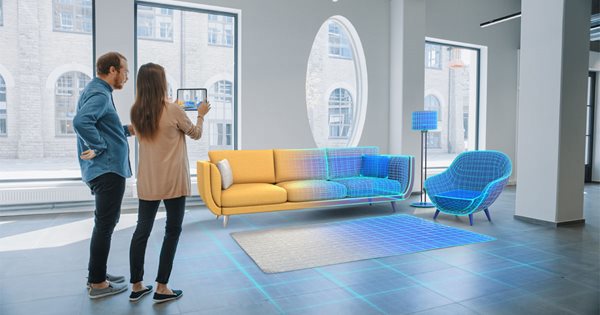
An attractive portfolio is the first step toward marketing yourself. It’s crucial to create a brand for your virtual business by establishing an online presence through a website, social media, organic search engine optimization, and paid advertising.
However, just because your design business is virtual, it doesn’t mean you should limit your marketing activities to only digital solutions. Take advantage of networking opportunities at events, trade shows, and seminars. You can also reach out to home builders, contractors, and others in the construction industry.

You can accomplish this in a couple of ways:
The importance of staying up to date on the latest trends and technologies, while also continuing to hone your skills by taking courses, can't be overstated.
But equally important is using the newest tools to craft your designs and share your renderings with clients.
There are several features of our software designed to put the “virtual” in virtual designer:
To become a virtual interior designer, you need a combination of knowledge, expertise, and marketing skills. By following the steps above, you can establish yourself in this emerging sector and build a successful career.
From cozy coastal vibes to a clean, contemporary aesthetic, these curated portfolios of siding profiles and colors can help create just the right look for your exterior projects.

For remodelers and companies in the remodeling industry, outsourcing HR is not just practical; it’s a smart, cost-effective strategy that helps you stay compliant, gain a competitive edge, and focus on driving your business growth.

The U.S. housing stock is aging, creating demand for affordable kitchen updates. Learn how cabinet refacing offers contractors a fast, profitable remodeling opportunity.